
Okay, so check this out—I’ve carried a lot of hardware wallets. Some were bulky. Some had tiny screens and fiddly buttons. This card, though, is different. Wow! It slips into a card slot like any credit card. Seriously? Yes, seriously. My first impression was disbelief. Something felt off about how light it was. Initially I thought lighter meant less secure. But then I tested it more thoroughly, and my view shifted.
At first glance the Tangem card looks almost trivial. It is a sleek NFC card that holds your private key. It has no battery and no screen. Hmm… that made me nervous. On one hand the lack of electronics reduces attack surfaces. On the other hand you give up local verification and on-device signing feedback. Actually, wait—let me rephrase that: you trade some convenience for physical simplicity, which in many threat models is a win.
Here’s what bugs me about some cold storage solutions: they promise security, but they demand too much technical literacy. They require complex setups, multiple devices, seed backups scribbled on paper. Tangem simplifies that. It uses a card-based form factor with NFC, so your phone becomes the interface. My instinct said this could be a compromise, though after hands-on use, the implementation felt intentional rather than careless.
Let me give you the short practical version. Tap the card with an NFC-enabled phone. Confirm the transaction. The card signs it offline. Done. Simple. Fast. No complex menus. No firmware updates clogging the flow. And no batteries to charge. The design philosophy is clear. It favors physical durability and user flow over feature-bloat.
But don’t mistake simplicity for naïveté. The Tangem card uses secure element chips and hardware-backed private key storage. It resists common extraction attacks that plague normal phones. On a deeper technical level, the private key never leaves the secure chip. Transactions are built on your phone, sent to the card for signing, and then broadcast. That chain keeps your key isolated. Though actually—it’s not a full cool-aid gospel; there are still risks with your phone and with how you back up data.
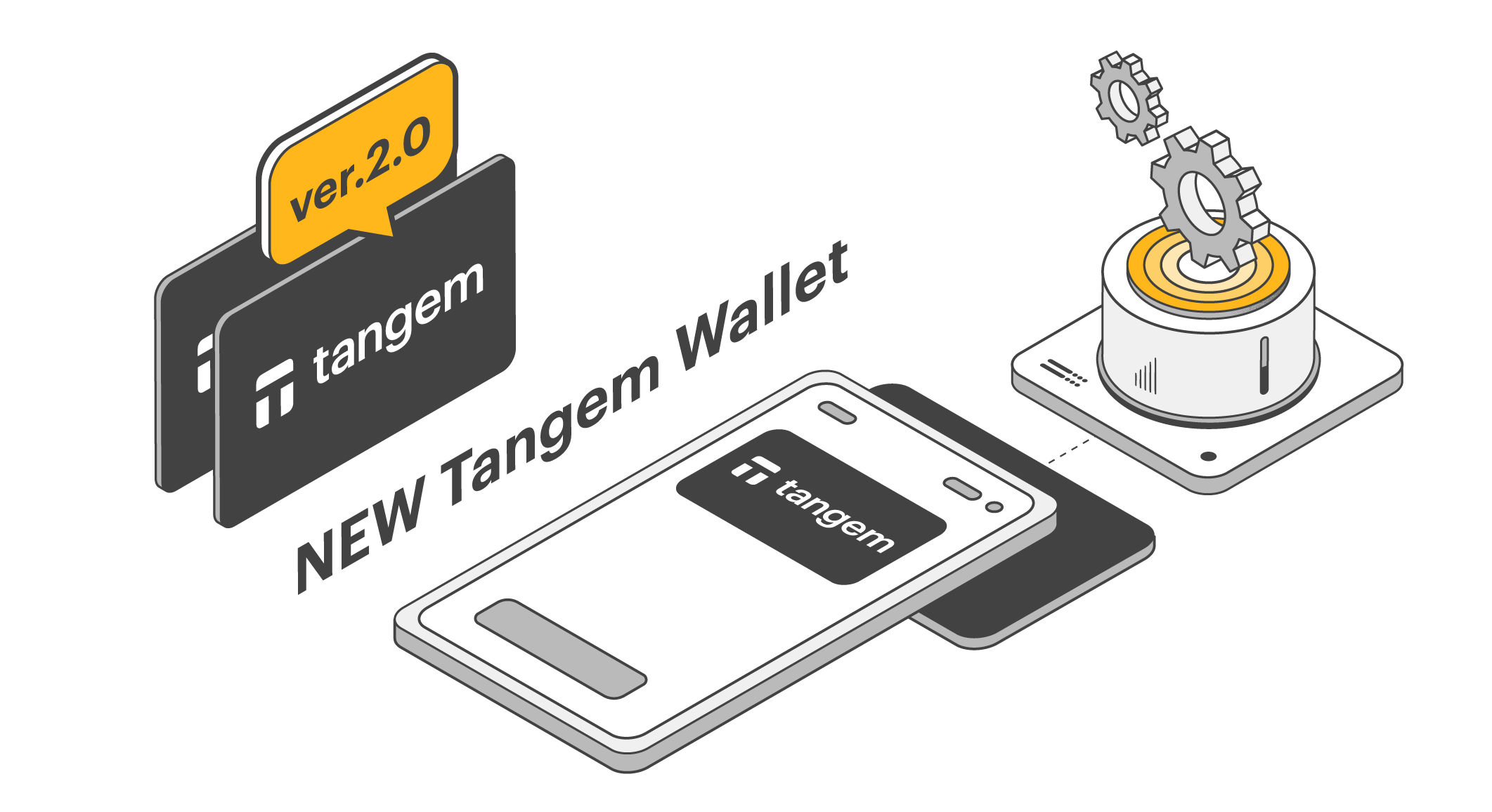
How I use it in daily life (and why you might too)
I keep one in my wallet. I keep another locked in a small safe. I treat them like spare keys, not like bank passwords. The workflow fits me because I often move between home, office, and coffee shops. When I need to sign a transaction, I tap the card with my phone. The tangibility calms me. Oh, and by the way… it makes gifting a bit easier. People actually understand handing over a card.
Want to see more technical notes or get hands-on instructions? Check out this resource for details and buying options. https://sites.google.com/cryptowalletextensionus.com/tangem-wallet/ Use that as a starting point if you want the official reads and setup sketches.
My typical threat model is theft and phishing. The Tangem card helps mitigate both. If your phone gets phished, the attacker still needs the physical card to sign. If someone steals the card, they still need the PIN you set. Yep, set a PIN. It’s not optional in my book. That extra layer reduces the risk of casual loss turning into catastrophic theft. Though, full disclosure—if someone gets both your card and your PIN, you’re toast. No system is perfect.
Also: multisig options exist. You can combine Tangem cards into a multisignature setup, which adds resilience. I found multisig helpful for jointly controlled funds or business treasuries. There are trade-offs; multisig means more physical pieces to manage. Still, for serious cold storage, that complexity is often worth it.
One real-world quirk: not every wallet app supports every token or chain in the same way. So you’ll sometimes juggle apps, or rely on wallets that integrate Tangem. That part bugs me. Integration is improving, but it’s a patchwork. Expect to do a bit of app-hopping for certain altcoins. I’m biased toward steady, supported chains like Bitcoin and Ethereum. For other chains, check compatibility ahead of time.
Here’s a small anecdote. I once tapped my card in a busy café. The cashier glanced over and asked if it was a hotel key. I laughed. It felt oddly normal to use crypto like a physical card. That normality is valuable because it lowers the barrier to secure custody for non-technical folks. It makes cold storage less scary, more human. That matters if you want more people protecting their assets properly.
On hardware resilience: Tangem cards are built to be durable. They withstand wear and tear better than tiny screen devices that crack. The secure element is encapsulated and the card has no exposed ports or contacts. In my tests it survived pockets, knocks, and a humid gym bag. Not that you should dunk it in water, but it’s forgiving. Somethin’ as simple as that can save you a headache later.
Now, risk management. You still need backups. Tangem supports backup strategies, like issuing multiple cards from the same seed or using a combination of backup cards and paper recovery. I keep an emergency card sealed in a bank deposit box. I also keep a written recovery in a secure place. My rule: distribute failure modes. Don’t keep all backups in one physical location.
FAQ
Is the Tangem card true cold storage?
Yes and no. It qualifies as cold storage because the private key is stored in a secure, offline hardware element. However, transactions are signed via NFC using a phone, so your phone environment still matters. Treat the card as the secure key holder and your phone as the interface—secure both accordingly.
What happens if I lose my Tangem card?
You can recover funds if you created backups: another card from the same seed, or a written recovery phrase depending on the setup you chose. Without backups, lost card equals lost funds. So please set up and distribute backups thoughtfully—don’t be that person who says, “I’ll remember.” You won’t.
Who should use a Tangem card?
People who want a user-friendly, physical approach to private key custody. It fits casual investors who dislike seed phrases, power users who want a simple multisig component, and small businesses needing practical offline signing. It’s not ideal if you demand on-device displays or complex scripting features—so weigh your needs.